Words and Photos by Andrea Regina Esperon
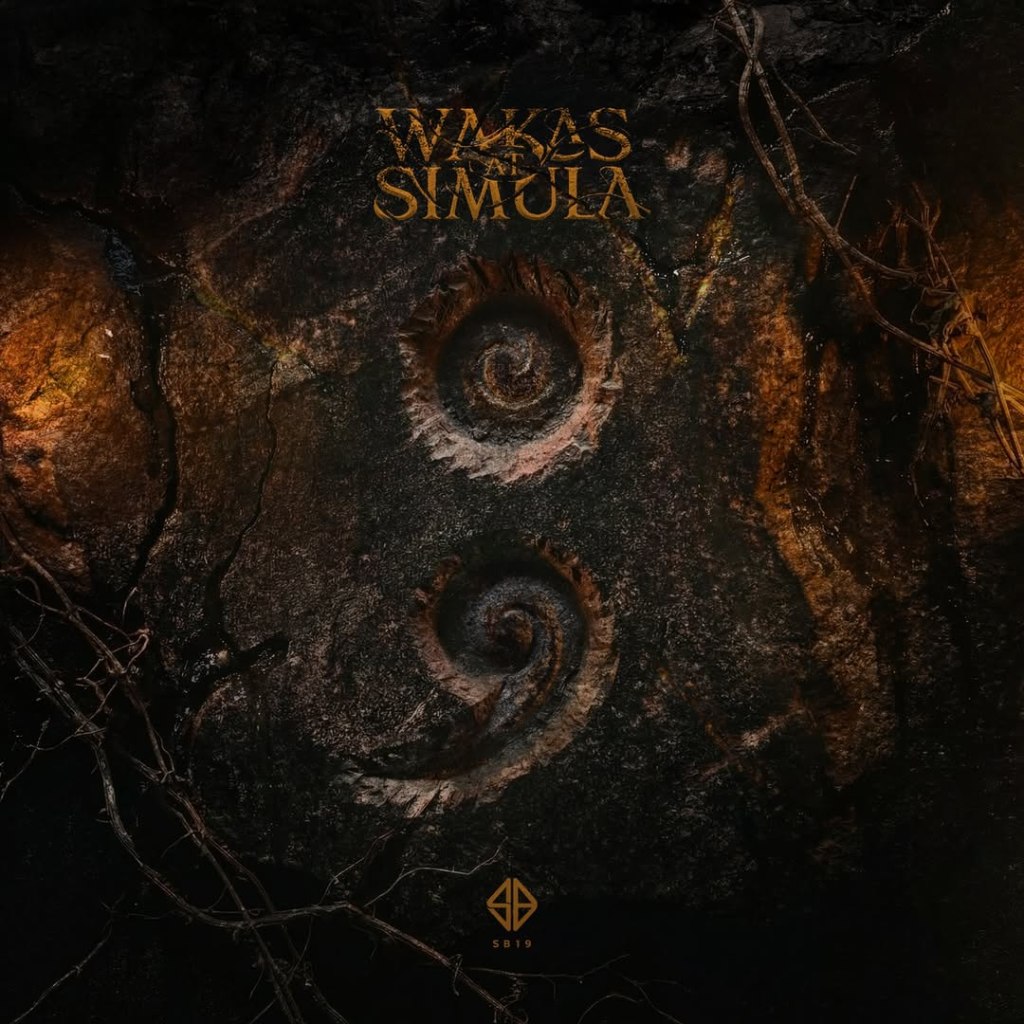
Wakas at Simula, meaning “the end and the beginning”, feels like both a closing chapter and a fresh start for SB19. As the third and final installment in their EP trilogy, following Pagsibol (2021) and Pagtatag! (2023), the project blends the group’s past work with six new tracks for 2026. Released on March 27th, 2026, the 24-track album doesn’t just revisit their evolution, but more so, solidifies their presence. More than anything, it highlights full creative ownership, with Pablo, Josh, Stell, Ken, and Justin leading every aspect of the vision.
Among the new additions, “Visa” is the one that stands out immediately to me. As the opening track of this final chapter, it acts as both an introduction and a statement of identity. Lyrically, the track reflects the group’s journey. They sing about their rise to fame, the challenges they face, and barriers that they had to break. In the opening verse, Ken, Josh, and Pablo sing:
“Ang umawit ng mundong aking tinagusan,” which translates to, “I’ll just let the crowd, the people sing the world I broke through.” Even as they push boundaries, there’s an understanding that their audience recognizes and carries their story forward. Stell follows with: “Baka naman kailangan lang ng visa / Kaya ‘to follow’ na lang rin ’yung bi-bi-bisa,” meaning, “Maybe all I really need is a visa / I guess for now, my success is ‘to follow.’” Rather than feeling overtly political, the line reads as a reflection on their process of reaching a wider stage of representation. The track captures that in-between space of knowing you’re ready as a performer, but still waiting for that right opportunity to fully open up. Honestly, the emotion behind the track echoes the spirit of Do You Hear the People Sing? from Les Misérables, but not from storyline, but rather in emotion of the song. There is a similar sense of wanting to be heard on a global scale, even when the path forward isn’t immediate.
In the chorus built around the repetition of “Noypi”, which is a slang term for Filipino people, it feels like something bigger than just a phrase. It is said in a chant-like manner, sounding proud and defiant. There is a sense of reclaiming identity in the way that it is delivered. While Original Pilipino Music (OPM) is often associated with softer, more traditional sounds, SB19 pushes far beyond that mold. “Visa” is really experimental and filled with a level of grit that feels new within the genre.
And the second verse intensifies that narrative:
“Ang hirap talagang lumipad kahit na may / Patunay na kaya mo na kailangan pa ng / Visa, visa, lapag muna kita / Bitbit ko na’ng mga breads, arat na dito mga fam / Wow, ang galing, nabusog lahat sa’king sinaing / ’Nak ng pating, nagreklamo pang lata ’yung kanin / Sorry, pasensya ka na, ’lam kong napagod ka sa pagbayo / Hambalusin kita”
Translated, it reads:
“It’s really hard to fly even when there’s proof you already can. / Still need a visa—let me see your worth. / I already got the bread, come on, fam, let’s go. / Wow, amazing—everyone ate from what I cooked. / But now there are complaints about the food. / Sorry, I know you got tired from the grind. / Let me push you forward.”
There is a striking duality here from the pride in what they have crafted, paired with the frustration of still being questioned of their artistry. Visa speaks to the grind which is the reality of working hard, being a top artist in the genre and still somehow facing critiques. That exact tension gives the song its emotional weight.
On first listen, it might come across as simply edgy or aggressive, but the depth reveals itself through the lyrics and delivery. It’s the kind of track that becomes more meaningful the more you sit with it. But beyond the music, SB19’s trajectory right now feels especially significant. As leaders in P-pop, they’re continuing to expand the global presence of Filipino artists. Their upcoming performance at Lollapalooza Chicago 2026 marks a major milestone, placing them among the first Filipino groups to take that stage at Lollapalooza. For longtime attendees, that representation and moment carries real weight of why they do what they do. Seeing a full Filipino act perform in Tagalog on a mainstream festival stage is something that has not been widely visible before. But all the more, that kind of representation does not just feel exciting. It is necessary. Much like the title, their stardom is the end of an era and a start of a new beginning.