Words by Skylar Sanders
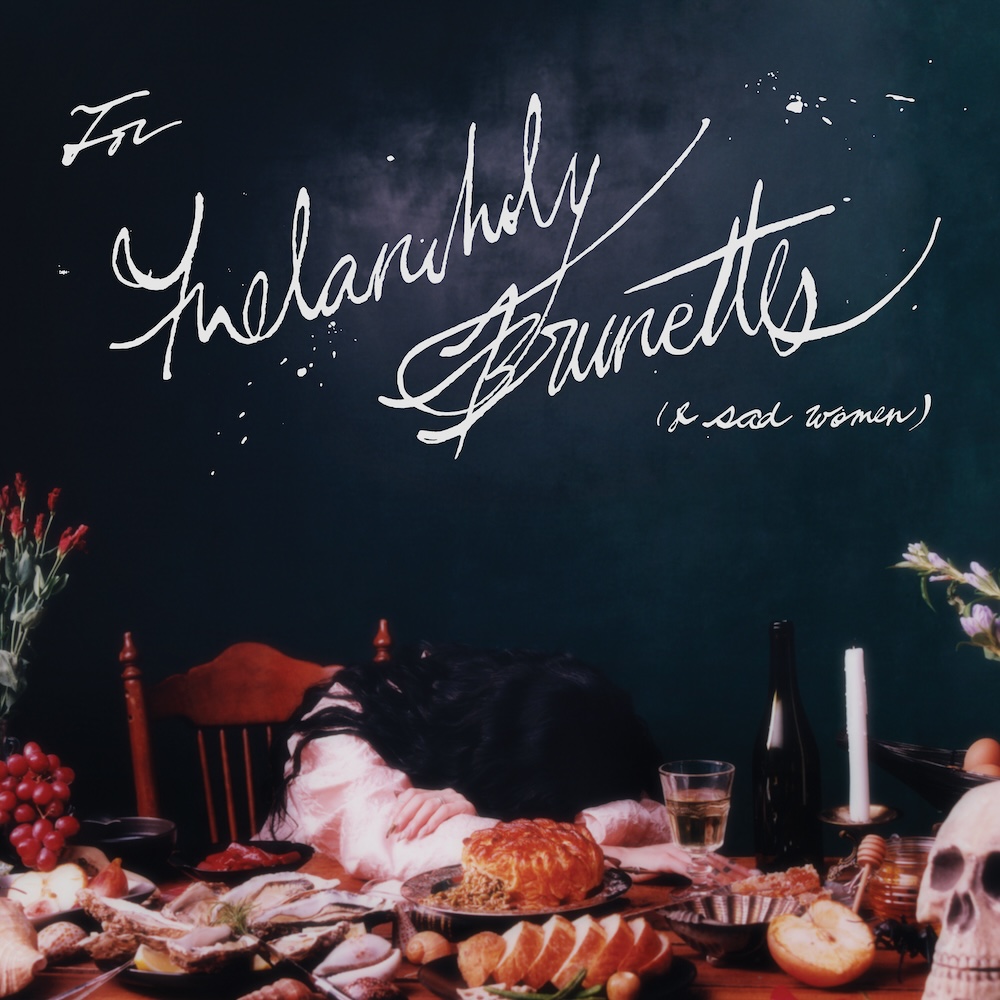
Released on March 21, For Melancholy Brunettes (& sad women) is the highly anticipated new album from Japanese Breakfast, the indie pop project led by frontwoman Michelle Zauner. Joined by bandmates Peter Bradley (guitar), Deven Craige (bass), and Craig Hendrix (drums, keyboard, backing vocals), Zauner and her team have clearly poured time and care into this release following the commercial success of their Grammy-nominated Jubilee, which debuted in June 2021. The result is a deeply introspective album that continues to showcase Zauner’s unique blend of emotional vulnerability and intricate, genre-defying sound.
The album opens with “Here is Someone,” a track that wastes no time reflecting on the band’s hiatus. Zauner begins with the line, “Quietly dreaming of slower days, but I don’t want to let you down.” It feels almost like breaking the fourth wall, as Zauner reflects on a simpler time before the pressure of fame began to take its toll. In a candid interview with Vulture, she shared that she “was just keeled over with stomach pain before every show,” adding, “It was all stress and pressure and feeling like, I don’t deserve this. People are going to find out that I am an awful singer.”
The second track, “Orlando in Love,” is also the album’s lead single, which we previously covered in January. It presents a more upbeat, yet eccentrically fantastical, portrayal of desire and temptation. The song tells the tale of a sailor, Orlando, who is left “breathless and then drowned” by an idealized woman. The vulnerability hinted at in this track carries over into the following song, “Honey Water,” where Zauner continues to explore complex relationship dynamics, this time through a more mythologically-inspired lens.
On “Honey Water,” Zauner sings, “The lure of honey water draws you from my arms so needy, You follow in colonies to sip it from the bank.” While “Orlando in Love” reads as a story of a sailor falling victim to a siren’s call, “Honey Water” offers a darker, more melancholic twist, focusing on unfaithfulness and emotional neglect. Zauner admits, “I dream about leaving, but no coward soul is mine,” suggesting a painful self-awareness of her own role in staying with someone whose attention wanders. The interplay between these two tracks hints at a reimagined narrative of lust and admiration, only to later reveal the tragic downfall of a man led astray by his own desires.
“Mega Circuit” continues this narrative, offering further insight into the troubled relationship. Zauner sings, “Well, I better write my baby a shuffle good, Or he’s gonna make me suffer the way I should, Deep in the soft hearts of young boys so pissed off and jaded, Carrying dull prayers of old men cutting holier truths.” This track modernizes the complexities of love, referencing “kicking mud off ATVs” and “shooting blanks,” while still holding on to the deeper, traditional themes of the album. As Zauner sings, “I could be the home you need,” it becomes clear that the relationship she’s in is toxic, descending from the earlier romantic tension into a more disillusioned, almost resentful tone.
The album continues to delve into the intricacies of human relationships, particularly in “Little Girl,” which examines the strained dynamic between an alcoholic father and his estranged daughter. The following track, “Leda,” offers the perspective of the daughter, peeling back yet another layer of this emotionally charged narrative. Each new song provides a different facet of the story, building towards a fuller, more complex understanding of the relationships at play. In doing so, Zauner offers a poignant reflection on the tangled, often painful nature of human connections.
“Picture Window” stands out as one of the catchiest tracks on the album, despite the overall melancholy tone and the focus on narrative-driven lyricism. In this song, Zauner weaves in several callbacks to earlier tracks, using recurring motifs that deepen the story she’s telling. There’s a palpable sense of being trapped in a self-destructive cycle, exacerbated by her relentless attempts to fix the people around her, even though she knows she should let them go.
Lines like “Picture window, Looking out at somewhere else, Do you not conceive of my death at every minute, While your life just passes you by?” reflect her frustration with the escapist tendencies of those around her, while also hinting at her own role in enabling them. Zauner sings, “But all of my ghosts are real,” almost as a mantra, trying to convince herself that what she’s holding on to is worth fighting for, even if it’s slipping away.
“Men in Bars,” one of the most highly anticipated tracks on the album, features a haunting duet between Zauner and Jeff Bridges. Positioned toward the end of the project, the song offers a glimpse into the origin story of the relationships explored throughout the album. It’s a tragically romantic ballad, with lines like “And who am I to leave behind? We built this, And even when it falls apart, it’s ours,” capturing the bittersweet weight of love and loss.
The final two tracks, “Winter in LA” and “Magic Mountain,” lean heavily into introspection, offering a reflective close to the album. Both songs evoke a sense of nostalgia, looking back on the complex emotions and characters Zauner has presented to the listener. While they don’t necessarily provide all the answers or neatly tie up every loose end, they remain compelling, leaving a lingering sense of unresolved reflection.This album marks a distinct departure from previous releases by Japanese Breakfast. For Melancholy Brunettes (& sad women) is introspective, reflective, and more grounded in storytelling than anything Zauner has done before. It invites listeners to dive deep into the rich layers of character and emotion, and it’s an album that truly benefits from repeated listens. Each track reveals new nuances, and the more time you spend with it, the more the complex relationships and personal reflections Zauner introduces come into sharper focus. It’s an album that demands attention, offering a deeper understanding with every play.
 Loudspeaker Collective